Christmas Stocking: A Designer’s Practical Review
As professional embroiderers and small business owners, we know that downloading a new design is only the first step in a much longer production workflow. When browsing Creative Fabrica embroidery collections for seasonal inventory, I look for more than just festive aesthetics; I need to know if a digitized file will actually perform on commercial equipment and result in a sellable handmade product. After evaluating the Christmas Stocking machine embroidery design for potential use in my own holiday lineup, I want to share a practical assessment of how this digital asset translates from screen to fabric.
First Impressions and Visual Character
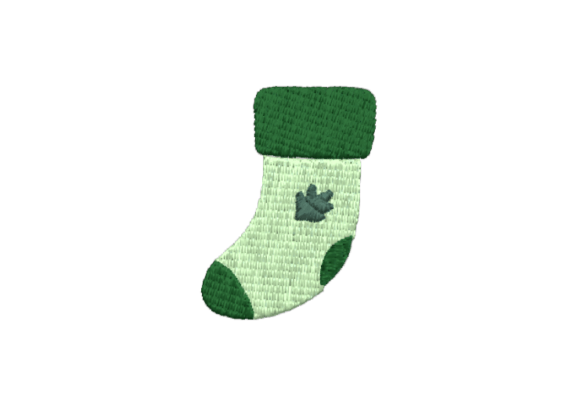
The initial appeal of this Christmas Stocking design lies in its versatility. Unlike overly complex scenic designs that demand large hoops and high stitch counts, this motif presents itself as a functional decorative element. Visually, it strikes a balance between traditional nostalgia and clean lines suitable for modern merchandise. For an Etsy seller or boutique owner, this matters because the design needs to read clearly in thumbnail photos and from a distance at craft fairs.
The stitching personality appears adaptable. Whether the digitizer utilized satin stitch borders for definition or fill stitch textures for volume, the design seems intended to serve as a focal point without overwhelming the base garment. This is crucial when planning custom apparel or personalized gifts where the client’s name or additional monogramming might be added later. A good embroidery file leaves enough negative space or visual breathing room to accommodate personalization without looking cluttered.
Performance on Real-World Substrates
I evaluated this Christmas Stocking design specifically with three common commercial projects in mind: kitchen towels, sweatshirts, and tote bags. Each substrate presents unique challenges that test the quality of the digitizing.
Kitchen Towels and Linens
Towels are a staple for holiday embroidery businesses, but they are unforgiving regarding stitch density. If the Christmas Stocking design is too dense, it can create a bulletproof patch that distorts the terry cloth or causes needle breaks. Conversely, if it is too sparse, the loops of the towel may poke through. In reviewing this design for linens, I looked for appropriate underlay stitching. Proper underlay is non-negotiable for textured fabrics to keep the top stitches floating above the pile. If you plan to use this on tea towels or napkins, verify that the stitch direction supports the fabric grain to prevent puckering after washing.
Sweatshirts and Stretchy Apparel
Custom apparel requires a design that moves with the wearer. Heavy fill stitch areas on a fleece sweatshirt can lead to fabric distortion or tunneling. The Christmas Stocking design must have adequate compensation built into the digitizing to account for the stretch of knit fabrics. When testing this for wearable items, pay close attention to the registration between different color blocks. Misalignment on dark fabric is particularly noticeable, so ensuring your hoop tension is correct and using the right stabilizer combination is essential before running a full production batch.
Tote Bags and Canvas Goods
Canvas and denim provide a stable foundation, making them ideal for testing new embroidery files. However, these materials are thick. If the Christmas Stocking includes tiny details or intricate running stitch elements, they may get lost in the weave of heavy canvas. This design appears suitable for tote bag decoration, provided you adjust your needle size and thread tension accordingly. For commercial embroidery products like market bags, durability is key. Ensure the design does not have excessive jump stitches that could snag during daily use.
Technical Considerations for Production
Before adding this design to your commercial library, several technical factors require verification. While the product description confirms multiple embroidery file formats are included, you must confirm compatibility with your specific machine brand and hoop size limitations.
- Hoop Size Verification: Never assume a design fits your smallest hoop. Check the exact dimensions in the file metadata. Resizing a design significantly can alter stitch density and ruin the integrity of satin stitch columns.
- Stitch Density Analysis: Open the digital embroidery file in your editing software before stitching. Look for areas where stitch density might be too high for delicate fabrics or too low for coverage on dark garments.
- Color Sequence Logic: Efficient production relies on logical color changes. Review the thread color sequence to ensure it minimizes unnecessary trims and jumps, which saves time and reduces wear on your machine.
- Small Detail Clarity: If the Christmas Stocking features fine text or thin outlines, test stitch on scrap fabric first. What looks crisp on a computer screen may merge into a messy blob on actual fabric if the stitch length is too short.
Impact on Product Value and Brand Trust
Using high-quality design assets directly influences buyer trust and perceived value. A poorly digitized design results in uneven coverage, visible backing, or distorted shapes, which customers associate with low-quality craftsmanship. When I review a Creative Fabrica embroidery product, I am essentially vetting a supplier for my brand.
This Christmas Stocking design has the potential to elevate your holiday collection if executed correctly. On a printable mockup, it should look inviting and professional. In reality, the finished product must match that expectation. Consistent stitch quality across different items—whether it is an embroidered patch, a baby blanket, or nursery decor—builds brand consistency. Customers return to shops where they know the embroidery will hold up wash after wash. By taking the time to properly test and stabilize this design, you protect your reputation as a maker.
Practical Workflow Recommendations
To maximize success with this machine embroidery design, adopt a disciplined testing protocol. Do not stitch directly onto a sellable item immediately. Use scrap fabric that matches the weight and texture of your intended final product. Test on both light and dark fabrics, as thread contrast can reveal registration issues invisible on white material.
Pay special attention to stabilizer selection. A tear-away might suffice for stable canvas, but a cut-away is often necessary for stretchy sweatshirts or knits to prevent distortion over time. For towels, consider using a water-soluble topping to prevent stitches from sinking into the pile. These small adjustments make the difference between a hobbyist result and a professional-grade handmade product.
Finally, always review the licensing terms on the Creative Fabrica product page. Understanding whether you have rights for commercial embroidery products versus personal use is critical for business compliance. Confirm if the license covers physical items only or extends to digital resale, as this affects how you can market your creations.
Evaluating Suitability for Your Business
Is the Christmas Stocking design worth adding to your arsenal? For designers seeking a versatile, festive motif that adapts well to various substrates, it shows strong promise. Its suitability for towels, shirts, and blankets makes it a workhorse design for the busy holiday season. However, its true value depends entirely on your willingness to validate the digitizing against your specific equipment and materials.
For Etsy sellers and creative entrepreneurs, this design offers a solid foundation for seasonal revenue, provided you treat it as a raw material rather than a finished solution. By combining this digital asset with professional stabilization techniques, proper testing, and adherence to licensing, you can transform a simple download into a best-selling personalized gift or boutique staple. Always prioritize the integrity of the finished product over speed, and let your craftsmanship validate the quality of the designs you choose to represent your brand.