Christmas Tree Line Art: Sweatshirt Design Review
As an embroidery designer preparing a limited holiday drop for a boutique brand, I approach every new machine embroidery design with a critical eye. It is not enough for a digitized file to simply look good on a computer screen; it must perform flawlessly on fabric. When evaluating the Christmas Tree Line Art for our upcoming premium sweatshirt collection, my primary focus is how this minimalist aesthetic translates into physical stitches on heavy fleece and french terry fabrics. This review breaks down the technical and aesthetic viability of using this specific embroidery file for commercial apparel production.
First Impressions and Aesthetic Versatility
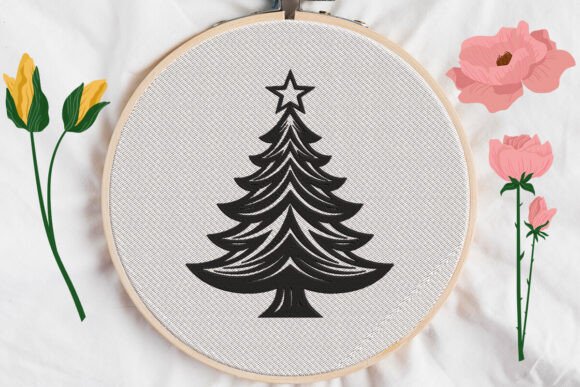
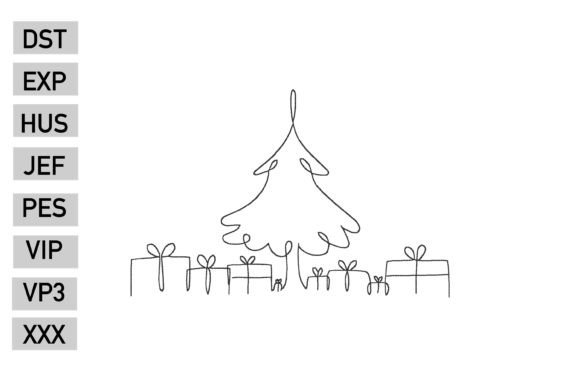
The immediate appeal of Christmas Tree Line Art lies in its deceptive simplicity. In the world of custom apparel, minimalism often signals luxury, but it also exposes technical flaws. Unlike dense fill designs that can hide uneven tension, line art requires absolute precision. My first impression of this design is that it captures a modern, rustic elegance suitable for a high-end boutique brand. It avoids the cluttered, cartoonish look of traditional holiday embroidery, making it appropriate for adult consumers seeking sophisticated seasonal wear.
For a small shop product lineup, versatility is key. This design feels equally at home on a neutral oatmeal sweatshirt as it does on a deep forest green hoodie. The linear nature of the artwork suggests it will maintain its integrity across various fabric texture types. Whether applied to a structured jacket or a soft, oversized knit, the design promises to retain its shape without distorting the garment's drape. This adaptability makes it a strong candidate for capsule collections where one digital embroidery file needs to serve multiple SKU variations.
Technical Performance on Heavyweight Fabrics
Sweatshirt embroidery presents unique challenges that lighter garments do not. Fleece has a pile that can swallow thin lines, and the stretchiness of the knit demands careful stabilization. When reviewing Christmas Tree Line Art for this application, I am looking at the relationship between stitch length and fabric density. If the running stitches are too short, they risk perforating the fabric like a perforated stamp. If they are too long, they may snag during washing or wear.
From a production standpoint, the stitch density appears balanced for commercial use. For a premium feel on hoodies and sweatshirts, I recommend testing this design with a slightly heavier thread weight or doubling up strands if the digitizing allows, to ensure the line stands proud against the fleece nap. Stabilizer choice is non-negotiable here; a cut-away stabilizer is essential to prevent puckering on these stretchy knits. Because this is line art, any registration shift between color changes (if applicable) or trims will be immediately visible. Therefore, verifying the hoop size and ensuring tight hooping without over-stretching the fabric is vital before running a full production batch.
Placement Strategy for Boutique Merchandise
Where you place Christmas Tree Line Art dictates the perceived value of the finished product. For our boutique collection, we are moving beyond standard center-chest placements. This design’s vertical orientation and clean geometry make it an excellent candidate for alternative positioning that drives customer engagement.
- Left Chest Accent: Scaled down, this serves as a subtle branding element on crewneck sweatshirts, appealing to customers who prefer understated holiday wear.
- Sleeve Cuff or Forearm: Placing the tree vertically along the sleeve creates a unique hoodie design feature that photographs beautifully for social media and lifestyle shots.
- Back Yoke Placement: Centered just below the collar seam on the back, the design acts as a focal point that elevates a basic blank into a statement piece.
- Tonal Embroidery: Using thread colors that match the fabric (e.g., cream thread on cream fleece) creates a textured, high-fashion look that relies entirely on the quality of the stitching.
These placement options allow an Etsy seller or apparel decorator to offer customizable tiers, increasing the average order value through personalized positioning.
Color Contrast and Thread Selection
Line art lives or dies by contrast. While the description notes this design works on t-shirts, jackets, bags, and skirts, the thread selection must be intentional for each substrate. On dark fabrics like navy or charcoal, a metallic gold or crisp white thread provides necessary pop. However, for pastel sweatshorts—think dusty rose or sage green—a tonal approach often reads as more expensive and "boutique" than high-contrast black thread.
I advise checking your thread colors against the actual fabric swatches under natural lighting before finalizing production. Digital mockups can be misleading regarding sheen and saturation. Remember that rayon threads offer high sheen which enhances visibility, while matte cotton or polyester threads contribute to a vintage, handmade product aesthetic. The mood of Christmas Tree Line Art shifts dramatically based on this single variable, allowing one design asset to span both playful and refined market segments.
Commercial Viability and Brand Identity
For creative entrepreneurs and small clothing brands, time is money. A complex design might look stunning but take forty minutes to stitch, destroying profit margins. Line art designs typically boast faster run times due to lower stitch counts, making Christmas Tree Line Art economically viable for ready-to-wear retail pricing. Faster production also means less needle penetration, preserving the softness and structural integrity of premium sweatshirts.
Beyond economics, this design supports brand identity through consistency. Minimalist line art is easily recognizable in thumbnail images, aiding visual recognition in crowded Etsy search results or Instagram feeds. It signals to the buyer that the brand understands current trends favoring clean, sustainable, and timeless aesthetics over fast-fashion novelty. When customers receive a finished product where the embroidery lies flat, the lines are smooth, and the design feels integrated rather than stamped-on, trust is established. This trust converts one-time holiday buyers into year-round patrons.
Pre-Production Checklist for Decorators
Before loading this machine embroidery design into your machine for a client order or inventory build, verify the following specifications. As the provided description does not list exact parameters, you must confirm them within your software or with the digitizer:
- Verify Dimensions: Ensure the design fits your intended placement area without exceeding the safe embroidery zone of your specific hoop.
- Check Stitch Count: Confirm the count aligns with your pricing model and production timeline expectations.
- Test Wash Durability: Line art can sometimes pull out of fleece after laundering. Always wash-test a sample to ensure the stabilizer and top thread combination holds up to consumer care.
- Review File Format: Ensure compatibility with your machine brand to avoid conversion errors that could alter stitch paths.
- Create Printable Mockups: Use accurate dimensions to create realistic previews for your online listings, managing customer expectations regarding scale and detail.
Ultimately, Christmas Tree Line Art represents a smart investment for apparel decorators focusing on quality over quantity. Its success depends less on the complexity of the digitizing and more on the intentionality of the application. By respecting the technical requirements of sweatshirt embroidery and leveraging the design's minimalist charm, small businesses can create festive apparel that feels curated, premium, and distinctly their own. Whether you are adding it to skirts, bags, or cozy hoodies, treat this design as a foundational element of your seasonal brand storytelling.